


Many people are quick to decry the death of the nightlife experience in many parts of the world, but while there are certainly challenges facing the industry at the moment, it’s important to recognize that what’s actually happening is an evolution of how modern clubbers engage with after-dark entertainment. Most significantly, digital tech plays a major role in determining not only the venues party-seekers visit, but also how they get there and what they do once they’ve made it through the door.
There’s a lot going on that older generations, or those who are simply out of the loop on going out on the town, might not understand. So, here’s a look at what’s influencing modern nightlife mapping and how it’s changing the experience for club attendees.
Real-Time Updates Improve Access
Picking a venue used to be partly a matter of luck and partly of perseverance. You’d need to take a gamble on whether a given club would be busy enough to be fun inside, but not so packed that the line outside would take you hours of waiting to tackle.
Thankfully, modern nightlife mapping apps make it simple to see exactly how well-attended venues across cities are at any one time, so you can work out whether it’s worth trekking to your preferred spot or whether you’ll have faster access to fun elsewhere. Aside from line length, data on everything from drink prices and entry fees gets published in real time, demonstrating the benefits of crowdsourced info.

Screens Rein Supreme
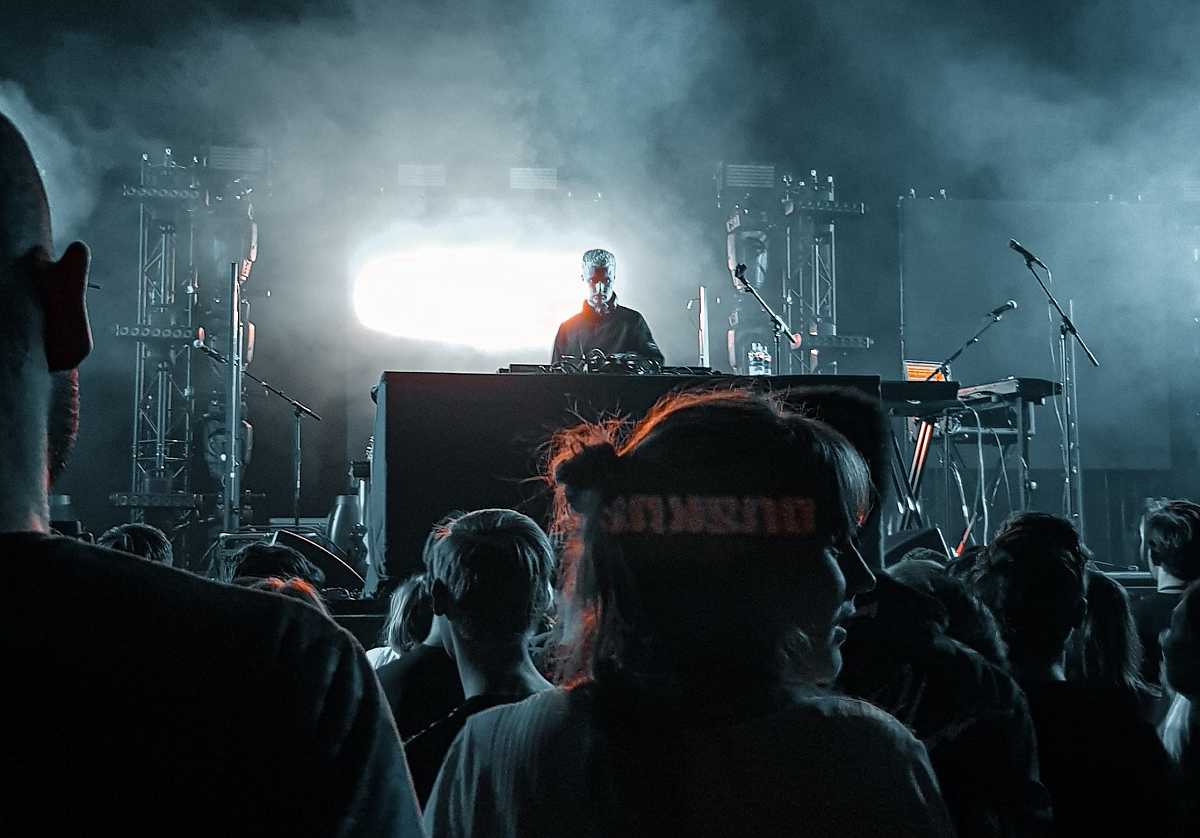
Superstar DJs are still a big deal, but the wheels of steel now contend with venues built around screens, livestreams, and interactive tech of all types. It’s partly to cater to the demands of modern audiences, who’re committed to chatting with friends on WhatsApp and posting to social media throughout the day, and especially when they’re out enjoying themselves.
Connectivity fuels interactivity, so clubs need to offer fast Wi-Fi for many reasons. For instance, some clubbers might want to entertain themselves with this casino’s online offerings between DJ sets, while others might want to live-stream their own partying to an online audience. Clubs themselves have got in on the act, showcasing what’s happening via live streams, with the likes of Boiler Room making this a major mainstream expectation.
Ultimately, this overlap of the physical space and geography of nightlife with the prevalence of digital tech that breaks down boundaries and lets the whole world in on the fun is not unique. We’re seeing it in every other part of life, and so it’s no surprise that clubs are doing their best to keep up with the trends that drive customer expectations.
While some will still feel that there’s something missing from the old-school, analog approach to mapping out nightlife in cities worldwide, there’s no closing the Pandora’s box of modern tech. And if anything, the changes we’ve seen are making what used to be an exclusive and exclusory experience far more democratic and egalitarian, letting the sense of community and belonging spread beyond the boundaries of individual venues.






 and then