

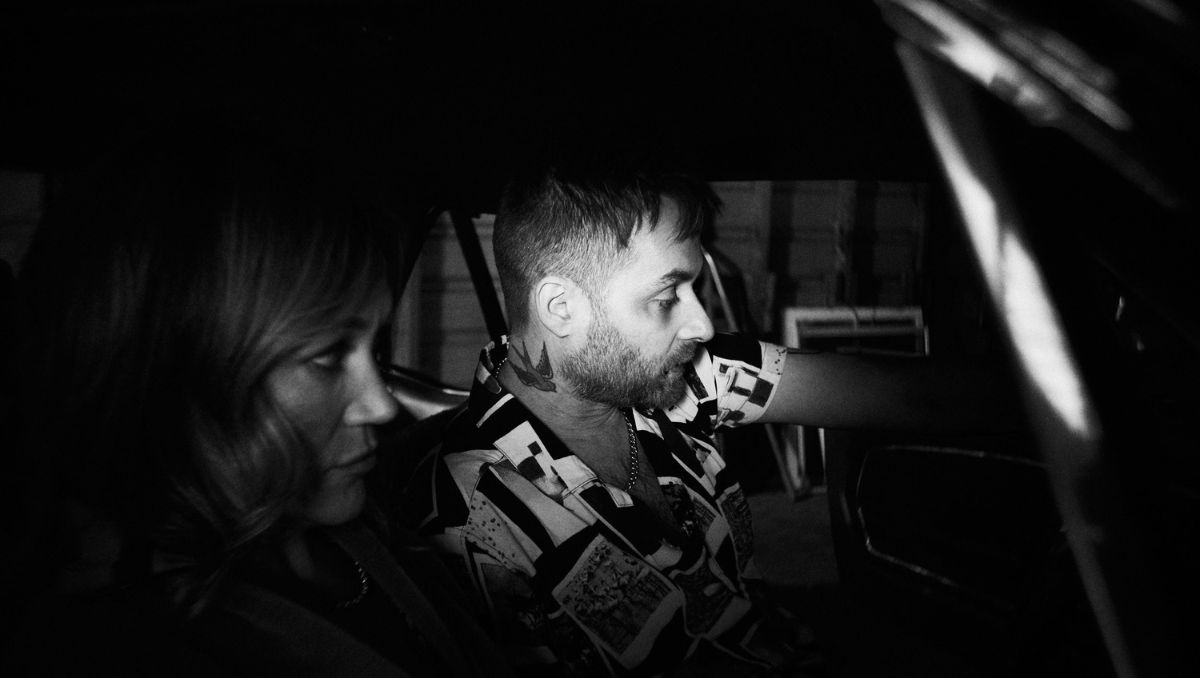
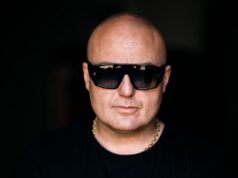
After more than two decades making music across indie, folk, pop and soundtracks, D1RT TH13F finds an experienced songwriter starting again in unfamiliar territory. Now based in Mexico City, the project sees him exploring house and electronic music without leaving his songwriting instincts behind.
Latest single ‘Hold On’ brings that approach into focus, pairing an ethereal vocal and a melancholy undercurrent with a production built for considerably bigger rooms. We caught up with D1RT TH13F to talk about becoming a beginner again, Mexico City’s club culture, what he’s learning from DJing, the records currently inspiring him and where he wants to take the project next.
Hold On is the latest D1RT TH13F release. Where did the track actually begin, and how close is the finished version to the original idea?
It began with the melody and that slightly melancholy feeling. That’s generally how I write. Even though I’m making dance music now, I still approach it as a songwriter.
The finished version is actually pretty close to the original idea. I work very quickly—the basic song is usually there within a day or two. After that, most of the work is figuring out what it doesn’t need. With this one, it was really about getting the groove right, making room for the vocal and trying not to decorate it to death.
You’ve been making records for more than 20 years, but D1RT TH13F effectively puts you back at the beginning again. Is it enjoyable being the new guy for once?
It is, although it’s also humbling. I know how to write and make records, but dance music has its own language and history, and I’m certainly not going to pretend I understand all of it yet.
There’s something quite invigorating about being bad at things again. After making records for more than 20 years, you accumulate a lot of habits without necessarily noticing. This project has made me curious again, and I think that’s generally where the better work comes from.
What’s your relationship with clubs these days? Are you someone who still wants to be in the middle of a dancefloor, or are you increasingly happy observing it from somewhere near the back?
I’m not sure I was ever the person in the middle of the dancefloor. I’m very introverted, I don’t particularly enjoy crowds and, rather absurdly for someone making house records, I don’t really dance.
I’m much happier somewhere near the back, watching what happens—when people lose interest, when a groove takes hold and what changes the energy in the room. I’m probably more interested in the mechanics and psychology of clubs than I am in the social ritual around them.
Let’s talk Mexico City. Where would you send someone who had one night there and wanted to hear genuinely interesting electronic music?
Yu Yu. It’s just up the street from my house, and I was genuinely impressed by it. The programming felt adventurous and the focus was very clearly on the music.
I’d also mention Japan Monterrey. It’s part dive bar and part club, spread across three floors, with eclectic spaces and fairly unpredictable programming. I’d point people towards the DJ Black Daria CDMX (Events) WhatsApp group as well. It’s a great resource for finding interesting parties and electronic-music events across the city.
Hold On has a fairly ethereal vocal running through it. What did that vocal give you that an instrumental version of the track was missing?
Vulnerability, I think. The instrumental had atmosphere and a good groove, but the vocal gave it a reason to exist beyond that.
I like voices that retain some breath, fragility and human imperfection. Dance production can become very architectural, with everything locked perfectly into place. The vocal puts an actual person back inside it. It also allows the record to be melancholy without losing its momentum, and that’s something I’m always drawn to.
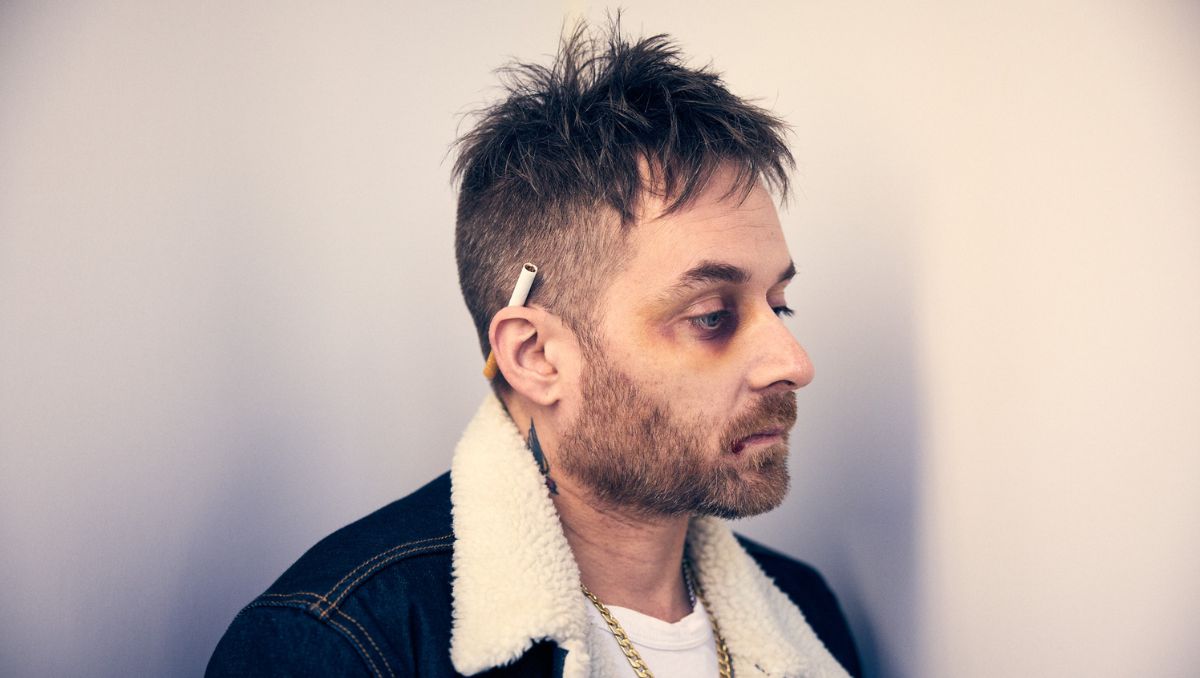
What’s one dance record you’ve heard recently that made you immediately want to get back into the studio—and what did you like about it?
I’ve been loving “YELE” by THEMBA and Vanco. I first heard it during Vanco’s Hot Mix for Pete Tong in May, before it was officially released in August.
It’s melodic and emotionally evocative, but it still has real physical momentum. The production feels huge without being overcrowded. It made me want to get back into the studio—not because I wanted to copy it, but because it reminded me how much emotional territory there is within dance music.
You’ve worked in indie, folk, pop and soundtracks before moving into house. Which part of your musical past would surprise people most if it suddenly turned up on a D1RT TH13F record?
Probably the folk and country side of it. I love songwriters like Townes Van Zandt and John Prine, and that part of me didn’t disappear when I started programming four-on-the-floor drums.
I can absolutely imagine a very plain acoustic song or a dry, narrative vocal turning up on a D1RT TH13F record. I’m more interested in those kinds of contrasts than making everything fit neatly into one genre.
How important is DJ culture to this project? Are you making tracks with sets and club systems in mind, or is D1RT TH13F developing on its own terms first?
The project has to develop on its own terms first. I’ve started putting together DJ sets because I want to understand how these records work together and what they do in a room, but I don’t want the conventions of DJ culture to dictate the music.
I think about the low end, pacing and whether a track can work within a set, but I’m still making songs. I’m not trying to make purely functional pieces of DJ equipment. If that makes some of the records slightly awkward to categorise, I’m fine with that.
Fast-forward a year: what would need to have happened for you to feel that D1RT TH13F was heading in the right direction?
I’d like to have released a coherent body of work and found an audience that understands what connects it, even when the records move between house, disco, dub, African and Latin influences, or something more song-based.
I’d also like to have played some exciting sets during the European summer season—Ibiza, Saint-Tropez or somewhere within that world—and developed the live side of the project.
I’m very interested in doing more collaborative work too. I’m planning a lengthy trip to Africa next year to make records with musicians and producers in Senegal, South Africa, Nigeria and Algeria. If I’ve done those sessions, formed some real creative relationships and made records I couldn’t have made by myself, I’d feel like the project was moving in the right direction.
Obviously, the numbers matter because they allow you to keep going. But having a clear identity and making something that feels unmistakably like D1RT TH13F is probably the real measure.
Holding On is out now. Follow D1RT TH13F on Instagram



 and then