

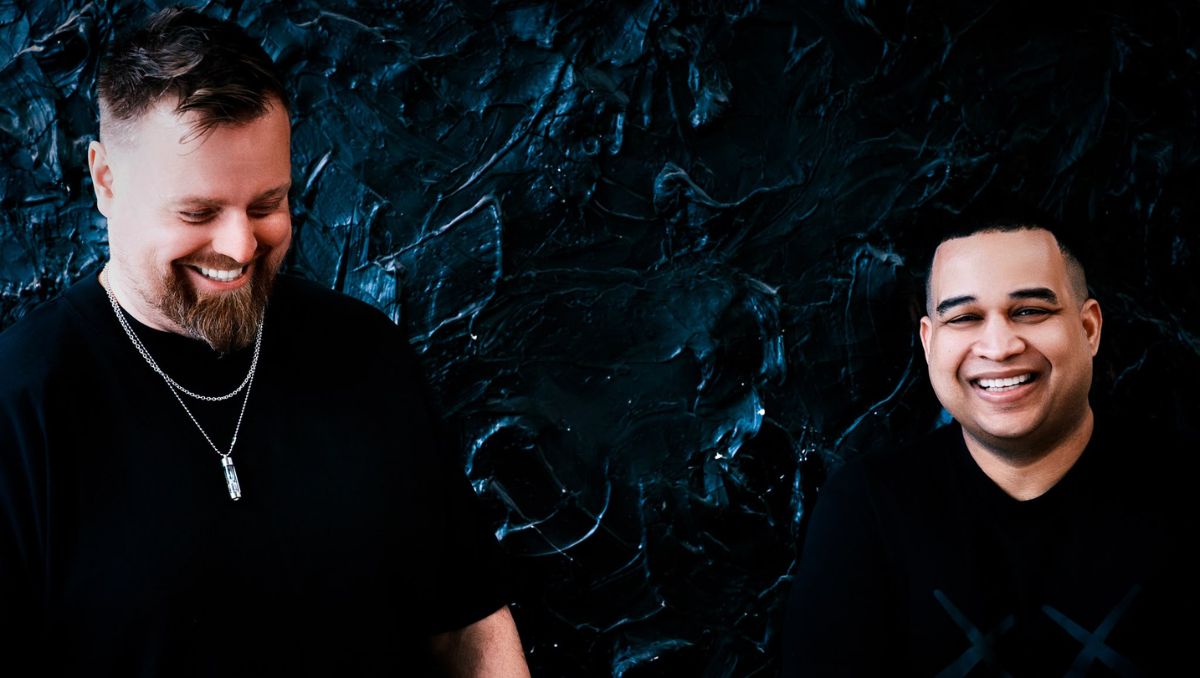
MIOAZ celebrates its first birthday at 93 Feet East on Saturday 26 September, bringing Braxton and Trilucid to Brick Lane for an eight-hour party spanning melodic and progressive house. For Trilucid, it’s a return to the kind of London club setting that has been part of their story for years.
Hilton Caswell and Andy MacDougall have built Trilucid across more than a decade of releases, with music appearing on Anjuna, UV, Proton and Colorize alongside their own Ionica Audio label. They also held a five-year residency at The Gallery at Ministry of Sound. Hilton takes the duo’s music into the DJ booth, while the pair continue to write and produce together, drawing from progressive house, deeper club sounds and electronica.
Ahead of the MIOAZ show, we caught up with Hilton about the freedom of playing an intimate room, what makes people return to a young party, and how he approaches a set that begins in the afternoon and runs towards the night.
93 Feet East has been part of London club culture for decades, but it’s also an unusually intimate room for artists who regularly play much bigger spaces. Does the size of a room change the way you play, or even the records you’re willing to take a chance on?
Definitely. I actually love smaller rooms because you can feel the crowd immediately. You can see what’s connecting and what isn’t.
It probably makes me take more chances as well. I’ll go deeper, play something unexpected or maybe something unreleased. If the room is with you, you can take people somewhere.
MIOAZ is celebrating its first birthday, which is still very early in the life of a party. When you walk into a relatively young event, what tells you that a promoter is actually building a community rather than simply putting on another night?
You can normally feel it straight away. It’s whether people are coming back, whether they know each other and whether the promoter genuinely cares about the night. The best parties eventually become more important than the line-up. People just want to know when the next one is.
Progressive house has been through plenty of cycles since you started making music together. Right now there seems to be a new generation discovering deeper, longer-form club music. Are you noticing a younger crowd coming into this world, and are they responding differently to it?
Yeah, definitely, and I love seeing it. Everyone says attention spans are getting shorter, then you see people in their early twenties completely lost in a seven-minute progressive record. A lot of them are discovering it through melodic house or Anjunadeep and then finding Sasha, Digweed, Hernan and all the older music. They also seem less bothered about genres. If they like it, they like it.
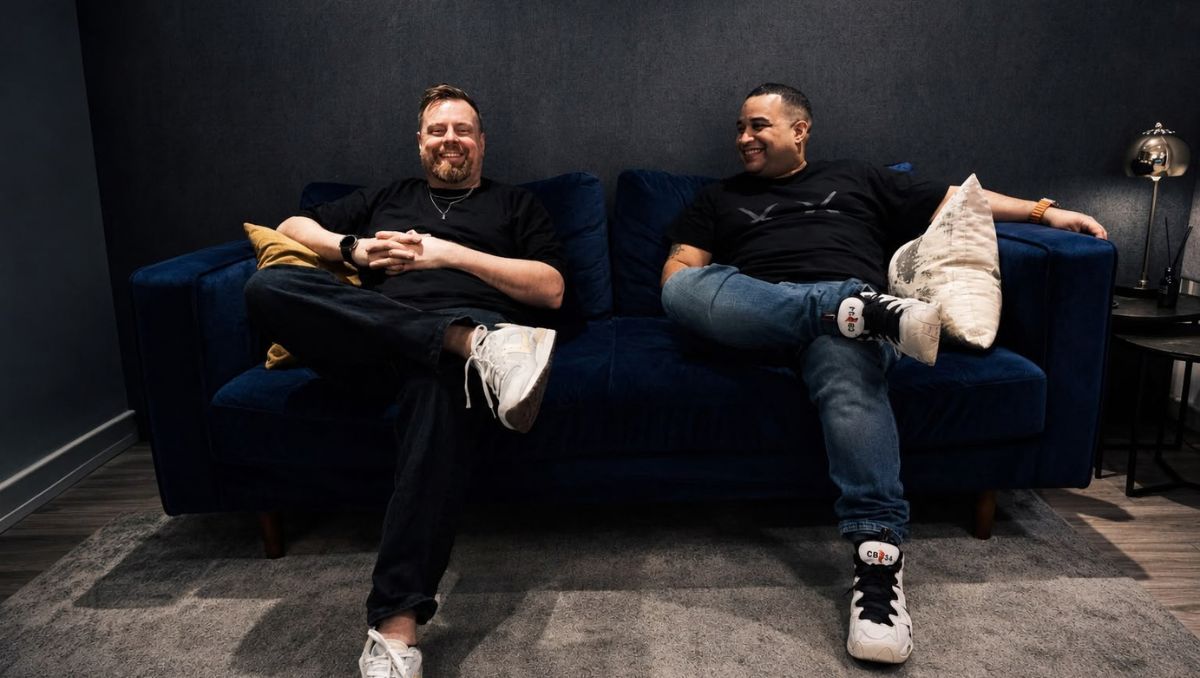
Trilucid sits somewhere between progressive house, melodic house and the deeper edges of electronic music, but those genre boundaries can feel fairly arbitrary from inside a DJ booth. How much attention do you actually pay to them when you’re playing?
Not much really. When I’m playing I’m thinking about what feels right next, not what genre Beatport says it is. Trilucid has always moved between progressive, melodic and deeper sounds anyway. As long as the music connects and the journey makes sense, that’s what matters to me.
A daytime party running from 2pm to 10pm creates a very different atmosphere from arriving in a club at midnight and playing until the early hours. Does that change how you approach the emotional temperature of a set?
Massively. You can’t really play at three in the afternoon like it’s four in the morning. I’d start warmer, deeper and more groovy and then gradually build the intensity as the day goes on. That’s why I love longer sets. You’ve actually got time to tell a story rather than trying to fit everything into an hour.
Between the two of you, who tends to be the one who takes a risk with a record that perhaps shouldn’t work, and what happens when one of you really isn’t convinced by where the other is taking the set?
Andy doesn’t actually DJ with me live, so I’m the one making those decisions in the booth. But Andy is definitely involved in what we play. We make most of the Trilucid music together and we’re always sharing tracks and talking about what fits us.
I probably take more risks live though. Sometimes something just feels right in the moment and you have to trust it. Andy has plenty of input. I just get the final button press.
You’ve played clubs and festivals across a lot of different countries. Is there anything about UK dancefloors that still feels noticeably different to you, particularly when you come back to play somewhere like East London?
Yeah, definitely. UK crowds have a lot of musical knowledge, especially in London. You can have someone who has been clubbing for thirty years next to someone who has only just discovered progressive house. You also have to earn a UK crowd. I like that. East London especially lets you go a little deeper and stranger. Not everything needs a massive drop every five minutes.
Away from the MIOAZ show, what does the rest of 2026 look like for Trilucid? What new music, Ionica Audio releases, collaborations or other projects should people be keeping an ear out for?
Busy. We’ve got a lot of new Trilucid music being worked on. Most of it is made together, with Andy also doing a huge amount on the mixing and mastering side. We’re growing Ionica Audio, pushing Ionica Sessions further internationally and putting more focus into the live side as well. There’s plenty happening into 2027, but the music always comes first. If the records aren’t right, none of the other stuff really matters.




 and then