

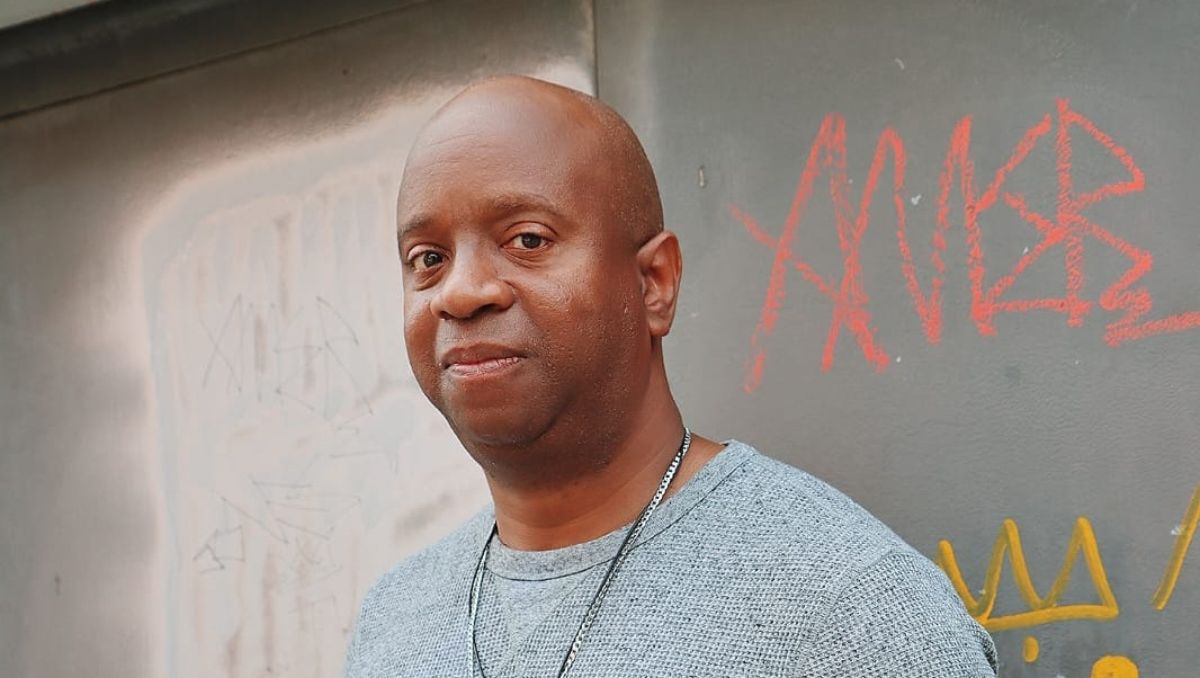
DJ Dove has been a steady presence in New York house music since the early 90s, shaping rooms from the days of vinyl-only sets and smoky backrooms through to the era of livestreams and phone-lit dancefloors. His sound has always sat in a sweet spot between soulful feeling and tougher club weight, a balance he’s carried forward without getting pulled off-course by trends or nostalgia.
His new single for Toolroom, Lonely No More, leans into an 80s vocal style that feels both familiar and clear-eyed. It also marks something of a full circle moment. Dove was featured on one of Toolroom’s earliest mixes almost twenty years ago, but this release arrives as a direct and intentional return. We spoke to him about how the city has changed, what keeps collaborations alive, and why groove still cuts through when everything else shifts.
You’ve been part of New York’s House landscape since the early 90s. What do you feel has genuinely shifted in the city’s club energy over that time, and what’s stayed the same at its core?
The shift for me has been people still love the music, but the whole reason for going to a club in the 1st place other than dancing is to be taken on a journey of music. Instead it seems like people are more interested in capturing moments which to a certain extent is ok. However, a person like myself I wanna dance so I feel that club element has suffered a bit.
‘Lonely No More’ has that unmistakable 80s vocal character. What pulled you toward that tone and era for this track?
A lot of the 80s music were very well written. So with Val Young in picking „If You Should Ever Be Lonely“, she invokes such a special feeling & message in her song that’s very relatable in these present times.
You were featured on Toolroom’s very first DJ compilation almost two decades ago. What does returning to the label now mean for you personally?
Well, it’s always the rolling of the dice when you shop demos. 20 years ago, it was under different circumstances. Because when I made it to the Toolroom Knights compilation, it was a song of mine from another label. This is an actual demo that I shopped to Mark never having a release before on Toolroom. And it means so much to me to be part of such a great team and family
You’ve worked with names like Inaya Day, Sandy Rivera, and Junior Sanchez. What tends to make a collaboration click for you in the studio?
Synergy and chemistry are the 2 main components for me. When doing collaborations with people, it’s so important to be on the same page with the artists. Yes, being professional, but also having fun.
A lot of your catalogue sits in that space where soulful House meets tougher club utility. How intentional has that balance been, or has it just developed over time?
Oh, it was very intentional because as the late 90s into early 2000s creeped in, I had to make a conscious decision in doing what’s best for me and doing it authentically in addition to where I wanted to take my career, and especially my sound to another level. Still keeping the soulful vibe, but giving it a more tougher and edgier elements to cater to all big rooms and small rooms.
Looking back at the Stealth and Nervous days, how would you describe the creative atmosphere in those label circles at the time?
I feel that the digital and social media world changed labels such as those forever because you have to be so much more on top of things right now. And that’s another 9 to 5 job that you really have to master. It’s just even more pressure to deliver solid to very good product.
You’ve always seemed to prioritise groove and feel over trend-led production choices. How do you maintain that clarity when the scene moves quickly?
I push to the best of my ability in staying current as I listen to everyone, especially not only being a DJ but a label owner. So when I hear different DJs in clubs and different producers putting out music, it motivates me in trying to do better as well as not being afraid of stepping out of my comfort zone. Blessing or curse that’s what I’m gonna live and die on.
For producers coming up now, the ecosystem is very different to early 2000s New York. What’s one thing you think younger artists sometimes overlook?
I think it’s definitely mixing and mastering. Structure is one thing but if your product is not sounding good, the structure kind of goes out the window with it. On a loud sound system you want to hear every element and feel every element. You want your music to sound clean and clear. It’s something that should be prioritized more for sure.
When you think about your own influences, which artists or records still sit at the foundation of what you do?
Well Todd Terry I grew up on and he is my idol, so he’s first on the list. Then, I really love what people like Dennis Ferrer and Harry Romero for example, do as well, very innovative and fresh.
What’s next in your release schedule or current projects that you’re excited about exploring further?
I’m currently finishing up my third full album, which is called „The Underdog on my own label Grind City Recordings which will be released February 2026. I’m also working on a follow-up single for Toolroom.




 and then